
Top Interior Design Ideas in Bangalore for Modern Homes 2026
Bangalore has become one of India’s most dynamic residential markets, where lifestyle expectations continue evolving alongside rapid urban development. New apartments, gated communities, and luxury villas across Yelahanka, Hebbal, Whitefield, and North Bangalore are redefining how homeowners think about interior spaces. A home is no longer viewed simply as a place to live. It has become a multifunctional environment supporting work, relaxation, entertainment, and personal wellbeing.
Interior design ideas in Bangalore for 2026 reflect this transformation. Homeowners are increasingly searching for intelligent layouts that balance comfort with practicality. The focus has shifted from decorative styling toward thoughtful planning that improves everyday living experience.
One of the strongest ideas shaping modern interiors is visual openness. Apartments today must feel larger than their physical dimensions. Designers achieve this through layout continuity rather than structural changes. Living and dining areas flow naturally into each other, allowing natural light to move freely across spaces. Furniture proportions are carefully selected so movement pathways remain comfortable even in compact homes.
Color psychology plays an important role in achieving this openness. Bangalore homeowners increasingly prefer warm neutral palettes that reflect light effectively. Shades such as beige, muted grey, and soft cream dominate modern apartments because they create calm environments after long professional workdays. Accent textures replace bold colors as homeowners seek timeless aesthetics rather than short-lived trends.
Storage planning has become one of the most requested interior upgrades across Bangalore apartments. Families today own more electronics, clothing, and lifestyle accessories than ever before. Without structured storage solutions, homes quickly appear cluttered. Modern interior designers integrate concealed storage seamlessly within wardrobes, entertainment units, and beds. Floor-to-ceiling wardrobes are particularly popular in Yelahanka apartments where maximizing vertical space becomes essential.
Modular kitchens remain central to interior design innovation. Kitchens have transformed from purely functional cooking areas into social spaces where families interact daily. Homeowners prefer layouts that allow easy movement between preparation, cooking, and cleaning zones. Parallel kitchens and L-shaped designs continue dominating apartments because they balance storage and workflow efficiency.
Material selection in kitchens has also evolved. Durable laminates remain practical for daily use, while acrylic finishes attract homeowners seeking premium appearance. Quartz countertops are gaining popularity due to low maintenance and long-term durability. Designers increasingly integrate concealed appliances to maintain seamless visual continuity.
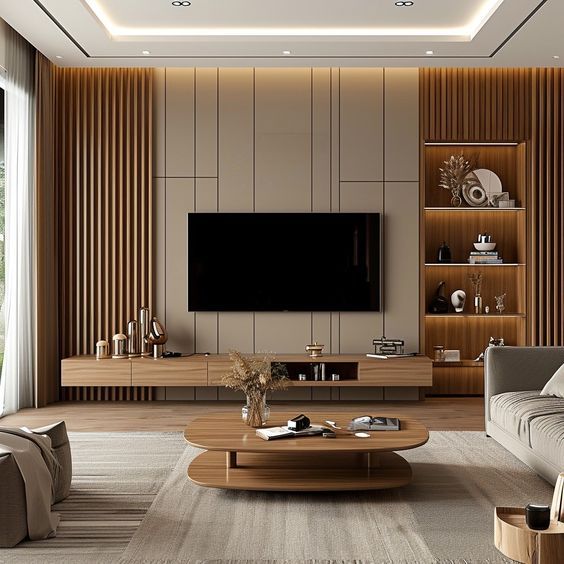
Lighting design has emerged as one of the most powerful elements shaping interiors in 2026. Bangalore homeowners no longer rely on single ceiling fixtures. Instead, layered lighting creates mood variations throughout the day. Indirect LED lighting integrated into false ceilings enhances ambience during evenings, while brighter functional lighting improves productivity during work hours.
False ceiling concepts themselves have become more minimalistic. Instead of heavy decorative patterns, homeowners prefer subtle depth combined with hidden lighting channels. This approach maintains ceiling height perception while improving aesthetics.
Another important trend influencing interior design ideas in Bangalore is the rise of work-from-home culture. Dedicated office rooms are not always possible in apartments, so designers create flexible study areas within bedrooms or living spaces. Customized desks integrated into wardrobes or wall panels provide functionality without occupying additional floor area.
Balcony transformation has become increasingly significant. Many Bangalore apartments include balconies that were once used only for utilities. Designers now convert these areas into lifestyle extensions of the home. Small seating corners, indoor gardens, or reading spaces provide emotional comfort within dense urban surroundings.
Luxury villa interiors across North Bangalore reflect a different approach. Larger layouts allow designers to experiment with architectural drama. Double-height living spaces, statement lighting installations, and customized staircases create visual impact. However, even luxury homes are moving toward simplicity rather than excessive decoration.
Natural materials are influencing modern interiors strongly. Wooden textures, stone finishes, and indoor greenery introduce warmth into contemporary homes. Many homeowners prefer biophilic design concepts because they reduce stress and improve wellbeing. Indoor plants integrated into living spaces create visual softness while improving air quality.
Technology integration continues expanding rapidly across Bangalore homes. Smart lighting systems allow residents to control ambience using mobile applications. Automated curtains and concealed charging stations enhance convenience without disturbing aesthetics. Designers plan wiring systems early to avoid visible cables and later modifications.
Bedroom design philosophy has also changed significantly. Instead of decorative excess, bedrooms emphasize calmness and rest. Upholstered headboards, indirect lighting, and muted textures create relaxing environments. Walk-in wardrobes are becoming increasingly common in villas and premium apartments.
Bathrooms are receiving increased design attention as well. Backlit mirrors, floating vanities, and textured tiles create spa-like environments within homes. Bangalore homeowners increasingly invest in comfort-focused bathrooms rather than purely functional spaces.
Another growing trend involves personalization. Homeowners no longer want identical interiors copied from online images. Customized furniture proportions and handcrafted wall finishes allow individuality. Designers collaborate closely with clients to reflect personality within interiors.
Sustainability awareness is also influencing material choices. Energy-efficient lighting and eco-friendly finishes reduce long-term operational costs. Many families prioritize durability over short-term aesthetic appeal.
Execution quality has become a defining factor separating professional interiors from average work. Precision carpentry, hardware alignment, and finishing consistency influence long-term satisfaction. Turnkey interior designers in Bangalore increasingly manage projects from planning to handover, ensuring accountability throughout execution.
Budget transparency remains equally important. Homeowners are willing to invest in quality interiors but expect clarity regarding materials and timelines. Structured quotations help avoid unexpected expenses during execution.
Interior design ideas in Bangalore ultimately reflect a deeper lifestyle shift. Homes must support hybrid work culture, family interaction, and relaxation simultaneously. Designers balance aesthetics with functionality to meet these evolving expectations.
North Bangalore’s rapid infrastructure growth continues attracting new homeowners each year. Areas like Yelahanka have become hubs for modern residential communities where interior design plays a major role in property value perception. Professionally designed homes often command stronger resale interest because buyers prefer move-in-ready spaces.
Interior trends for 2026 emphasize longevity rather than temporary fashion. Clean layouts, smart storage integration, and adaptable spaces allow homes to evolve alongside changing family needs. Instead of focusing only on appearance, homeowners now evaluate how interiors will perform years into the future.
Ultimately, the success of modern interior design lies in creating environments that feel effortless. When lighting supports mood, storage remains organized, and layouts allow comfortable movement, homes become more than architectural structures. They become spaces that improve daily life.
As Bangalore continues growing into a global metropolitan destination, interior design innovation will remain central to residential living. The homes that stand out in 2026 will not necessarily be the most expensive ones, but those thoughtfully planned with intelligence, personalization, and enduring elegance.